
The cultural significance of casinos in modern society
Historical Context of Casinos
Casinos have long played a pivotal role in the socio-economic landscape, dating back to their origins in ancient civilizations. From the gambling houses of Venice in the 17th century to modern resorts in Las Vegas, these establishments reflect the evolution of social interactions and leisure activities. They embody a blend of entertainment and risk, drawing people from various backgrounds to engage in games of chance. For those interested in exploring more about this phenomenon, the Rizzio official site New Zealand offers an extensive overview.
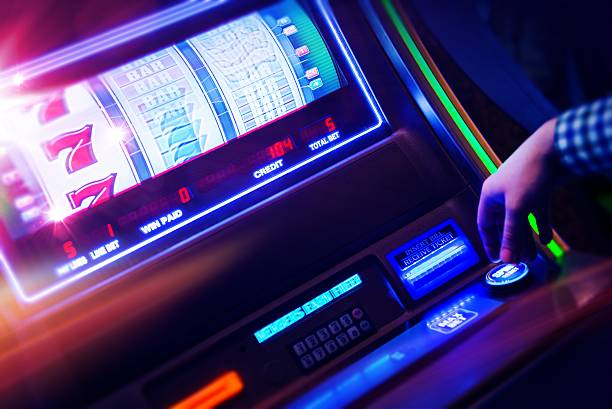
As societies have progressed, casinos have adapted, influencing cultural norms and behaviors. They have transformed into significant venues for social gatherings, often acting as a microcosm of society where individuals experience a mix of excitement, fortune, and community. This historical evolution underscores the lasting impact casinos have on contemporary cultural practices.
Casinos as Social Spaces
In today’s society, casinos function as vibrant social hubs. They attract diverse groups, providing a space where people can bond over shared experiences, whether playing poker or enjoying a performance. These establishments foster a sense of belonging, allowing individuals to escape daily routines and immerse themselves in a world of entertainment.
Moreover, casinos often host events, concerts, and dining experiences, further enhancing their role as social centers. By offering a variety of activities, they encourage socialization and interaction, contributing to a richer communal life. The social fabric woven within casinos highlights their importance beyond mere gambling venues.
Economic Impact of Casinos
The economic significance of casinos is undeniable. They create thousands of jobs, contribute to local economies, and generate substantial tax revenue for governments. This financial injection often leads to infrastructure improvements, funding for public services, and enhanced community projects. As a result, casinos can stimulate economic growth in regions where they are established.
Additionally, the rise of online casinos has further diversified the economic landscape. With platforms offering extensive gaming options, they reach a global audience, thereby expanding their economic impact. This transition reflects changing consumer preferences and technological advancements, reinforcing the relevance of casinos in today’s economy.
Cultural Representations of Casinos in Media
Casinos have also made their mark in popular culture, often portrayed in films, television shows, and literature. These representations shape public perceptions and influence the allure of gambling. From classic films to modern series, the glamorization of casinos encapsulates themes of risk, fortune, and the human experience.
These cultural narratives contribute to the mystique surrounding casinos, often attracting individuals to explore these environments firsthand. By examining their portrayal in media, one can gain insight into societal attitudes towards gambling and leisure, reflecting broader cultural dynamics.

Exploring Rizzio Casino
Rizzio Casino emerges as a contemporary platform embracing the cultural significance of casinos in modern society. Launched in 2025, it offers players an expansive selection of over 13,000 games, blending classic and innovative gaming experiences. With a focus on user experience, Rizzio provides a secure environment for both desktop and mobile users, ensuring accessibility and engagement.
Moreover, Rizzio’s commitment to promoting responsible gambling and a safe gaming atmosphere aligns with the evolving cultural narrative surrounding casinos. By offering substantial bonuses and a vast range of activities, Rizzio embodies the modern-day casino, reflecting its cultural importance in fostering community, entertainment, and economic growth.